
Yoga practice begins before you step on the mat—selecting appropriate equipment establishes foundation for safe, enjoyable practice supporting long-term dedication. Yoga mat selection profoundly influences comfort, stability, and injury prevention, yet many practitioners overlook this crucial investment. At Liforme, you’ll discover premium yoga mats combining exceptional comfort with environmental sustainability. Understanding mat characteristics, material options, and personal practice needs helps you select equipment enhancing rather than limiting your yoga journey. When you invest in quality mats supporting your body and values, yoga practice transforms into sustainable wellness practice nourishing physical and spiritual development.
Understanding Yoga Mat Thickness and Cushioning
Mat thickness directly influences comfort, stability, and portability—each with distinct advantages and tradeoffs. Standard mats measuring 1/8 inch provide lightweight portability, ideal for practitioners traveling frequently or practicing various locations. Thicker mats at 1/4 inch offer superior cushioning protecting joints during floor poses and transitions. Extra-thick mats exceeding 1/4 inch provide maximum cushioning beneficial for sensitive joints, arthritis, or recovering from injuries. Thicker mats sacrifice portability, creating storage and transport challenges. Personal practice style influences optimal thickness—vigorous vinyasa flow benefits from thinner mats supporting stability, while restorative or yin yoga benefits from extra cushioning. Body weight affects optimal cushioning—heavier practitioners often prefer thicker mats providing adequate support. At Liforme, thickness options accommodate diverse practice styles and physical needs.
Material Composition and Performance Characteristics
Yoga mat materials profoundly influence performance, durability, and environmental impact. Natural rubber provides excellent grip, cushioning, and durability while remaining sustainable and biodegradable. TPE (thermoplastic elastomer) offers lightweight, affordable options without rubber allergens. PVC remains widespread despite environmental concerns, providing budget-friendly options with adequate performance. Cork composition combines natural sustainability with excellent grip and moisture resistance. Jute provides natural fiber durability and eco-consciousness in blended compositions. Closed-cell construction resists moisture absorption, maintaining hygiene and preventing odor accumulation. Open-cell construction provides superior grip and comfort at cost of moisture absorption. Understanding material benefits helps align equipment with practice values and physical needs. At Liforme, premium material options prioritize both performance and environmental responsibility.
Grip and Traction for Safe Practice
Adequate grip prevents slipping during transitions and challenging poses, directly impacting safety and injury prevention. Textured surfaces provide superior grip compared to smooth compositions. Natural rubber and cork inherently provide excellent traction even when damp. Closed-cell construction resists moisture absorption maintaining grip despite perspiration. Mat orientation matters—consistent texture direction supports stability during sun salutations and flowing sequences. Personal hand and foot moisture varies—some practitioners require maximum grip, others manage adequately with moderate traction. Testing mats with damp hands reveals performance under realistic practice conditions. Regular mat maintenance preserves grip quality—gentle washing prevents dirt accumulation compromising traction. At Liforme, superior grip technology ensures stable, safe practice across diverse conditions.
Environmental Sustainability and Ethical Production
Yoga philosophy emphasizes harmony with environment, aligning practice with sustainably-sourced equipment. Biodegradable materials break down naturally rather than accumulating in landfills indefinitely. Renewable material sources—natural rubber from rubber trees, cork from cork oak—replenish rather than depleting resources. Ethical manufacturing practices ensure fair labor conditions and community benefit. Carbon-neutral production processes minimize environmental impact throughout supply chains. Recyclable composition enables mats returning to production cycles rather than waste streams. Water-based adhesives and non-toxic dyes eliminate chemical pollution. Third-party certifications verify sustainability claims rather than relying on marketing language alone. Practicing yoga on sustainable mats aligns spiritual practice with environmental values. At Liforme, premium sustainability reflects yoga’s earth-honoring philosophy.
Durability and Long-Term Value Investment
Quality yoga mats withstand years of regular practice, representing lasting value despite higher initial investment. Premium materials resist degradation from sunlight, heat, and regular wear. Dense construction maintains shape and cushioning despite years of repetitive use. Seam construction quality prevents separation and unraveling compromising mat integrity. Non-slip bases prevent mat movement during practice extending safety and equipment lifespan. Proper care—regular gentle cleaning, appropriate storage, avoiding excessive heat—extends mat longevity substantially. Budget mats often degrade within months requiring replacement, ultimately costing more despite lower initial prices. Premium mats often last years with minimal performance degradation. Durability calculations considering years of practice reveal premium mats provide superior value. At Liforme, investment in durability saves money and resources long-term.
Size, Weight, and Portability Considerations
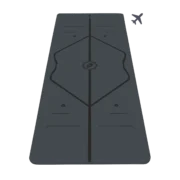
Standard yoga mats measure 68 inches long and 24 inches wide, accommodating most practitioners and studio spaces. Extra-long mats extending 72-85 inches benefit taller practitioners preventing head/foot overhang. Extra-wide mats 30-36 inches provide additional shoulder and hip space for physically larger practitioners. Portability remains crucial—lightweight mats weigh 3-5 pounds enabling easy transport. Thicker mats increase weight, creating transport challenges for frequent travelers. Carrying straps and bags facilitate mat transport improving convenience. Foldability enables compact storage in small homes or apartments. Mat bags with shoulder straps enable hands-free carrying. Studio practices often provide mats eliminating personal transportation needs. At Liforme, size and weight options accommodate diverse spaces and practices.
Aesthetic Design and Personal Expression
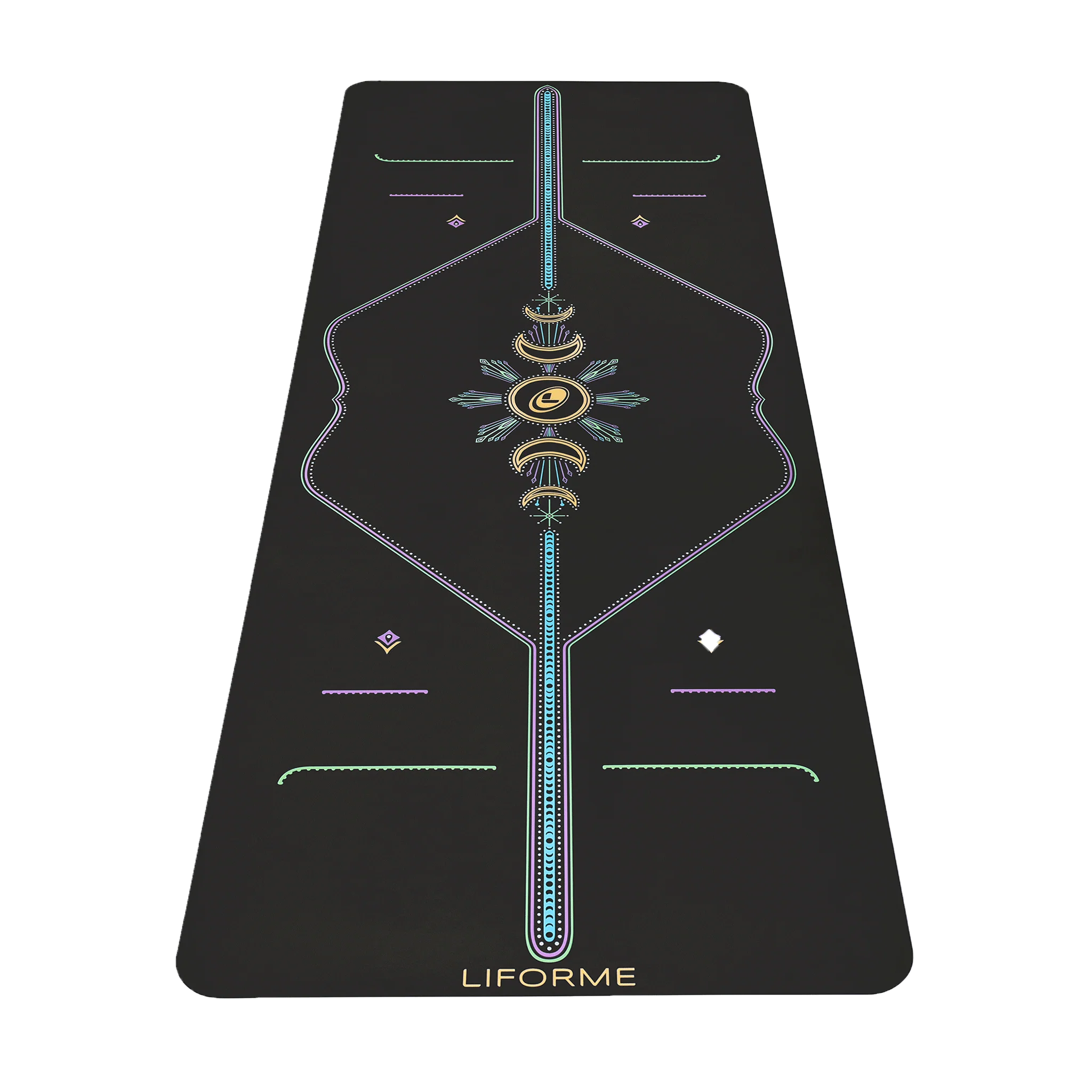
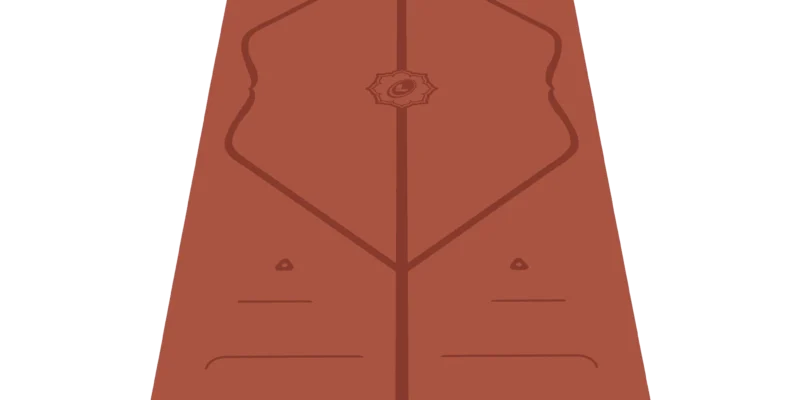
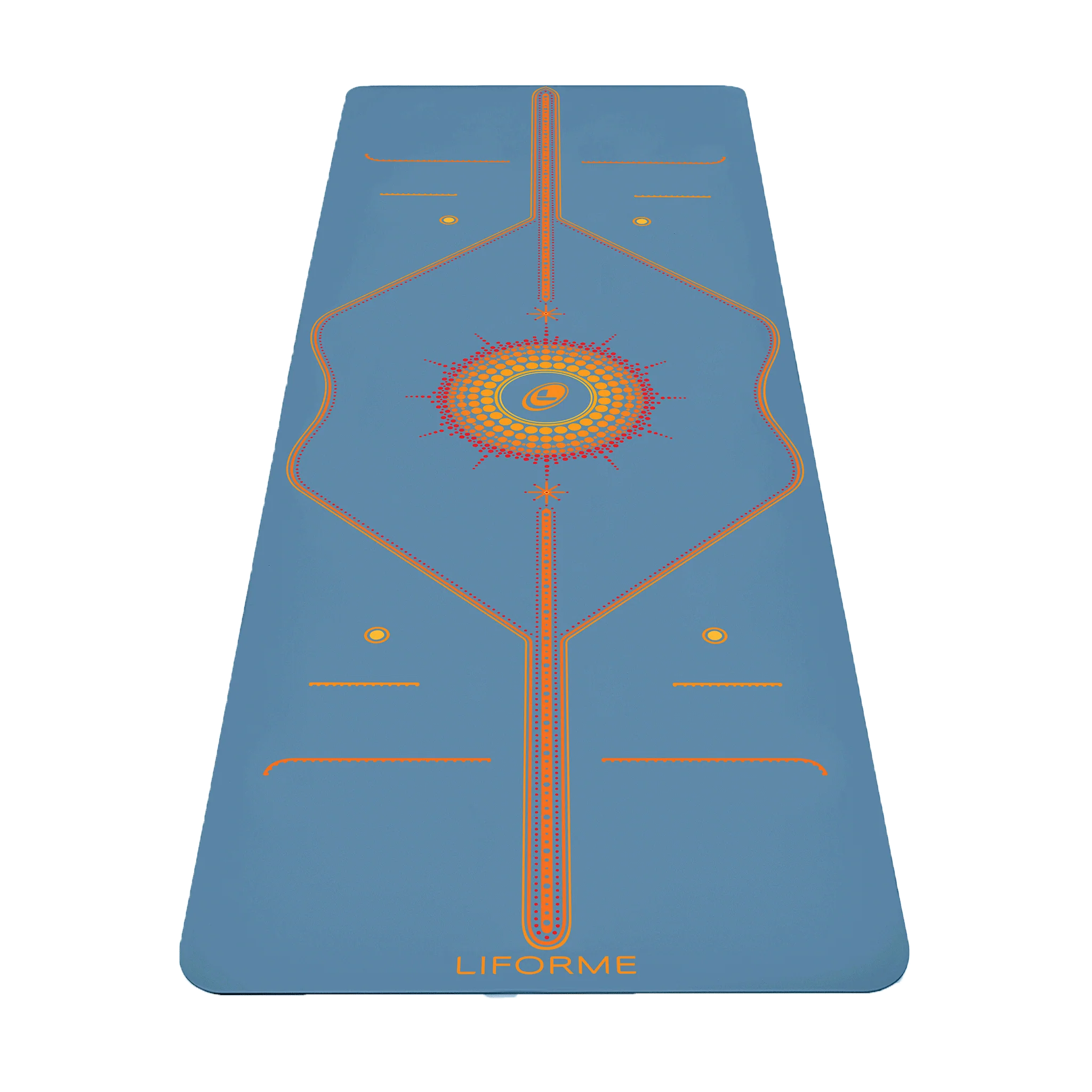
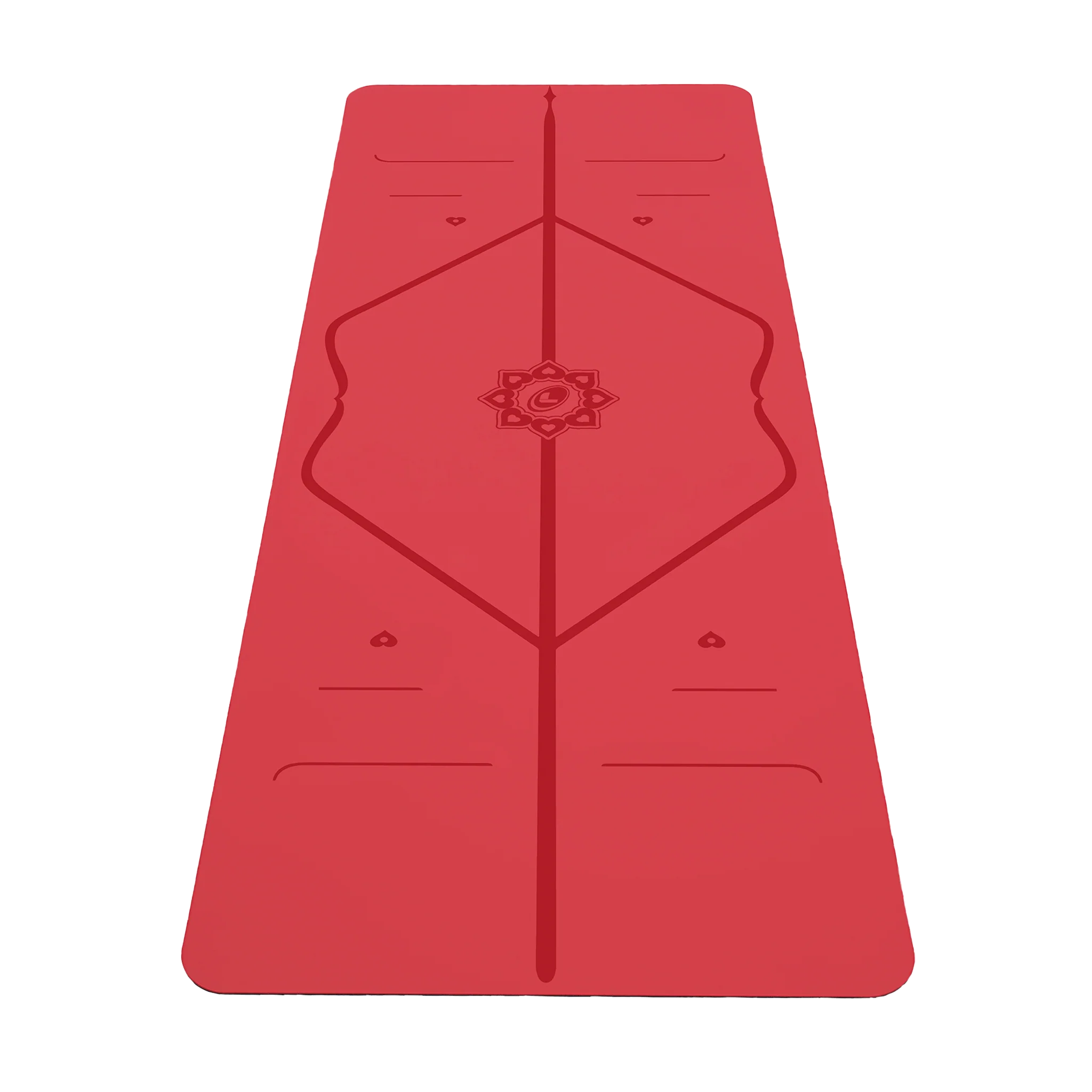
Yoga mat aesthetics influence daily motivation and personal connection to practice. Color preferences range from calming earth tones to vibrant energizing hues. Pattern options enable personal expression and studio visibility during group classes. Designer collaborations offer unique aesthetic statements. Monochromatic minimalist designs appeal to simplicity-focused practitioners. Spiritual symbols and mandala patterns inspire contemplative practice. Gradient color transitions create dynamic visual interest. Personal aesthetics affect daily motivation—beautiful mats encourage consistent practice. Studio visibility matters—distinctive mats help locate personal equipment among identical class mats. At Liforme, aesthetic variety enables personal expression through equipment selection.
Mat Selection Essentials
- Select thickness matching practice style—thinner for flow, thicker for joint protection and restoration
- Choose natural, sustainable materials aligning environmental values with yoga philosophy
- Prioritize grip and traction preventing slipping and ensuring safe transitions
- Invest in durable premium mats providing superior value across years of practice
- Consider portability needs balancing comfort preferences with transportation requirements
Perfect yoga mats from Liforme support sustainable practice development. When you invest in quality equipment reflecting your values, yoga transcends exercise into meaningful wellness practice nourishing body, mind, and spirit.