
Osdorp is one of those places in Amsterdam that quietly tells a bigger story about modern urban living. Located in Amsterdam Nieuw-West, it has grown into a district that blends residential comfort, multicultural energy, and practical city infrastructure. While it may not always appear in tourist postcards, Osdorp plays a vital role in the everyday rhythm of Amsterdam life. It is a neighborhood where people live, work, shop, relax, and connect—forming a living example of how cities evolve to meet the needs of diverse communities.
What makes Osdorp particularly interesting is its layered identity. It is not just a residential zone or a commercial area—it is both, and much more. Over time, it has developed into a space where modern housing developments sit alongside established neighborhoods, where shopping streets meet green parks, and where different cultures contribute to a shared community atmosphere. From Osdorpplein’s busy retail environment to quiet residential streets and open recreational spaces, Osdorp reflects a balanced urban lifestyle shaped by real people and everyday experiences.
At its core, Osdorp represents accessibility and practicality. It is designed for daily life to function smoothly, offering residents everything from essential services to leisure options within close reach. This combination makes it one of the more functional and livable districts in Amsterdam.
Osdorpplein – The Heart of Local Shopping and Daily Convenience
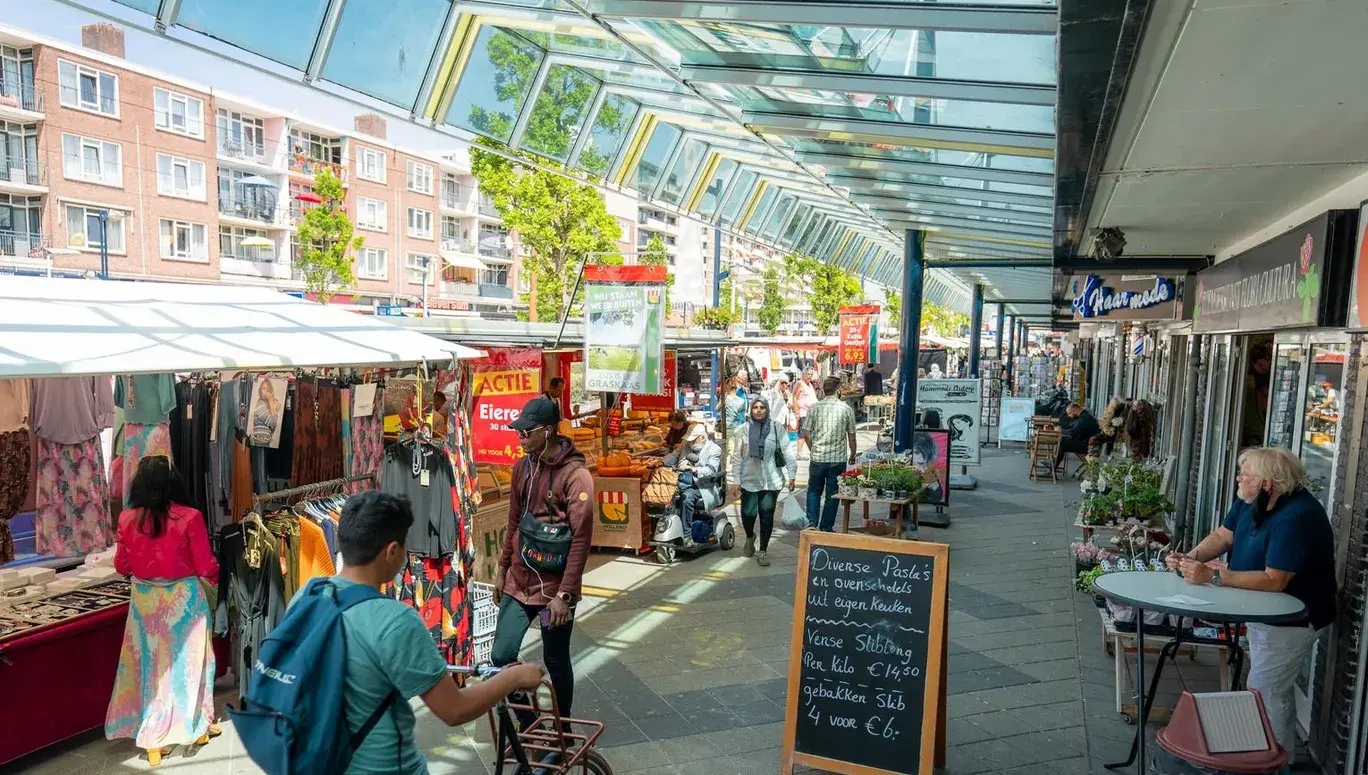
Every strong neighborhood has a central hub where daily life comes together, and in Osdorp, that role is played by Osdorpplein. This lively area acts as the district’s commercial and social center, offering a wide range of shops, services, and food options that support everyday needs.
From supermarkets and fashion stores to cafés, bakeries, and essential service outlets, Osdorpplein provides a convenient all-in-one experience for residents. People come here not just to shop, but also to meet, eat, and spend time in a familiar local environment.
The design of the area reflects practical urban planning—everything is close, accessible, and structured to support busy daily routines. It is a place where errands can be completed efficiently, but also where spontaneous social moments often happen.
Residential Living That Reflects Modern City Life
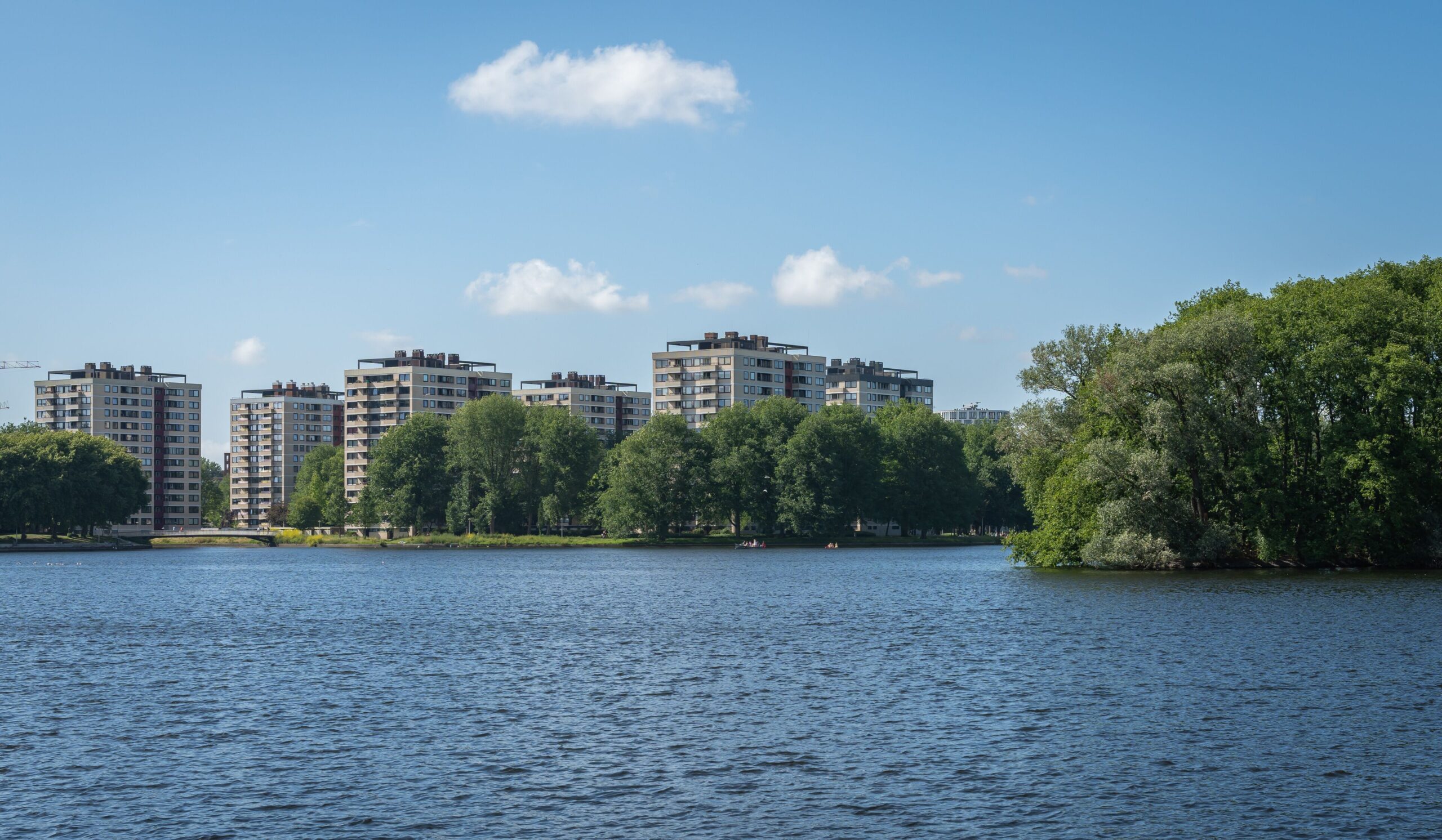
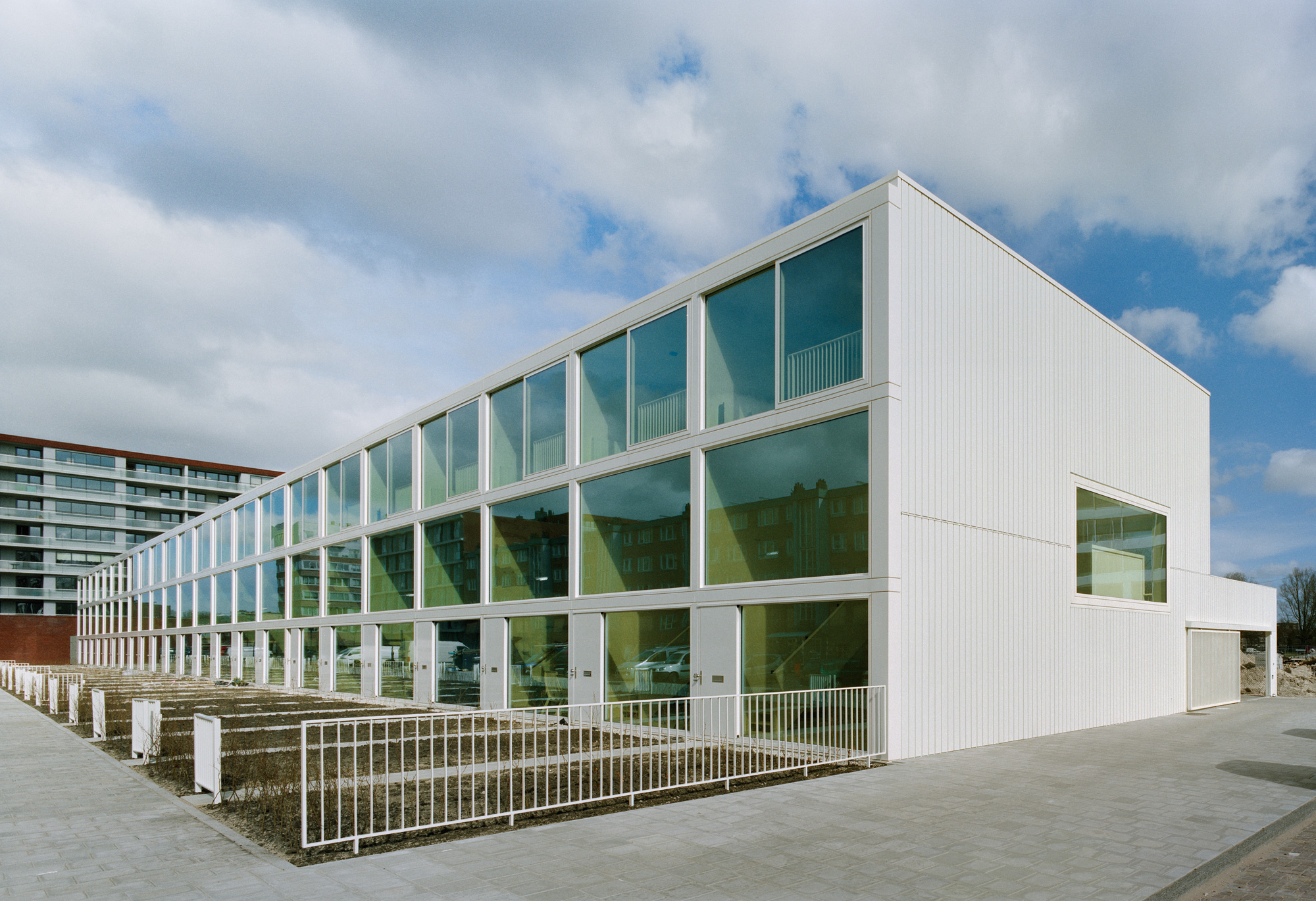
Osdorp is primarily a residential district, and its housing landscape reflects the diversity and growth of Amsterdam itself. The area includes a mix of apartment buildings, family homes, and modern residential developments that cater to different lifestyles and needs.
What stands out most is the focus on functionality and livability. Many residential zones are designed to be close to schools, public transport, parks, and shopping facilities, making everyday life more convenient for residents.
This accessibility allows people to experience a more balanced urban lifestyle—one that reduces long commutes and increases time spent within the community.
Over the years, urban renewal projects have also contributed to improving housing quality and infrastructure, helping Osdorp evolve into a more modern and comfortable district.
Green Spaces That Bring Balance to Urban Living
Even in a densely populated city like Amsterdam, access to nature remains essential—and Osdorp offers several green areas that provide relief from urban density.
Parks, walking paths, and open recreational spaces allow residents to enjoy outdoor activities, whether it’s walking, exercising, or spending time with family. These spaces also help strengthen the neighborhood’s sense of calm and balance.
Green zones in Osdorp are more than just decorative—they are functional parts of community life. They encourage social interaction, support well-being, and provide a natural contrast to the built environment.
This balance between urban structure and natural space contributes significantly to the quality of life in the district.
A Multicultural Community with Everyday Connections
One of the defining features of Osdorp is its cultural diversity. The neighborhood is home to people from many different backgrounds, creating a rich and varied community atmosphere.
This multicultural identity is visible in everyday life—whether through local food options, community events, or the simple interactions that take place in public spaces. It gives Osdorp a dynamic and inclusive character where different cultures coexist and contribute to the shared identity of the district.
Community life here is built around everyday places like schools, parks, shops, and transport hubs. These shared spaces help foster connection and create a sense of belonging among residents.
Key Highlights of Osdorp as an Urban District
- Located in Amsterdam Nieuw-West with strong residential identity
- Central shopping hub at Osdorpplein
- Diverse housing options including modern apartments and family homes
- Strong multicultural community presence
- Accessible public transportation connections
- Green parks and recreational outdoor areas
- Wide range of local shops, cafés, and services
- Ongoing urban development and modernization
- Family-friendly infrastructure and amenities
- Balanced mix of residential, commercial, and recreational spaces
Everyday Functionality and City Connectivity
Osdorp is designed to support everyday living in a practical way. Its infrastructure connects residents efficiently to other parts of Amsterdam through public transportation and road networks.
This connectivity ensures that while Osdorp functions as a self-sufficient district, it also remains closely linked to the wider city. Residents can easily access central Amsterdam, business areas, and cultural attractions while still enjoying a quieter, community-focused home environment.
This balance between independence and connectivity is one of the reasons the district continues to grow in popularity.
A District That Continues to Evolve
Like many modern urban areas, Osdorp is constantly evolving. New developments, infrastructure improvements, and community initiatives continue to shape its future.
These changes are aimed at improving housing quality, enhancing public spaces, and supporting the needs of a growing and diverse population. At the same time, efforts are made to preserve the district’s community character and accessibility.
This ongoing transformation ensures that Osdorp remains relevant, functional, and adaptable to modern urban demands.
Final Thoughts – Osdorp as a Living Example of Modern Amsterdam
Osdorp is more than just a district—it is a living, evolving community that reflects the reality of modern city life in Amsterdam. With its combination of residential convenience, commercial hubs, green spaces, and cultural diversity, it offers a complete urban experience shaped by everyday living rather than tourism.
Its strength lies in its balance: practical yet welcoming, structured yet diverse, modern yet community-oriented. As the district continues to develop, it remains an important part of Amsterdam’s urban identity.
For anyone looking to understand how real city life functions beyond the center, Osdorp stands as a clear example of a neighborhood built around people, connection, and everyday experience.