

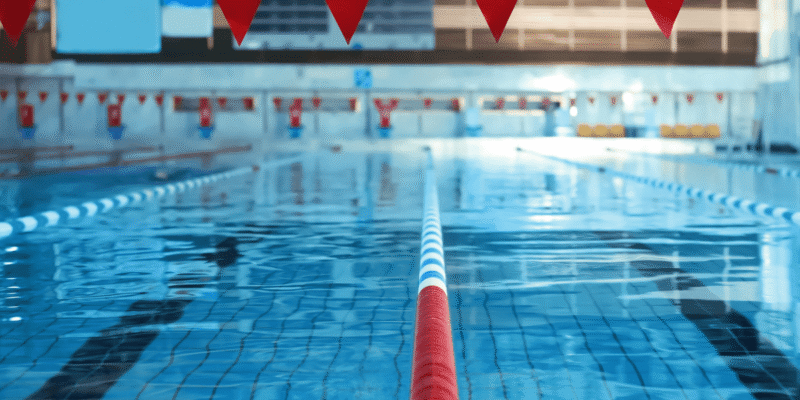
Swimming faster represents one of most rewarding fitness goals. Whether training for competition, improving fitness, or simply enjoying water more, swimming speed determines capability and satisfaction. Yet speed improvement depends on interconnected factors technique, training intensity, physical conditioning, and appropriate gear. Someone struggling with poor technique wastes effort fighting water resistance. Someone training without progression plateaus quickly. Someone using inadequate gear fights additional drag. Conversely, someone combining refined technique, progressive training, and optimized equipment experiences rapid improvement. Swimming speed emerges from systematic development across all dimensions. Rather than assuming natural ability determines speed, understanding how each factor contributes reveals pathways to substantial improvement. Top swimmers developed speed through consistent application of proven principles. Anyone willing to invest effort can improve substantially using same approach. Understanding the interconnected nature of speed improvement reveals why quality equipment matters alongside technique and training. Speedo represents the global standard for competitive swimming gear because their products support technical excellence and performance optimization. Understanding how technique, training, and gear combine enables strategic improvement.
Technique Refinement: The Foundation of Efficient Speed
Swimmers new to speed training often focus solely on muscular effort. They thrash through water believing harder effort generates speed. Actually, inefficient technique creates enormous drag limiting speed despite maximal effort. Efficient swimmers achieve higher speed with less effort through superior technique. The difference emerges from how swimmers interact with water. Someone with poor technique creates excessive turbulence, irregular kick, and inefficient arm mechanics wasting energy fighting water. Someone with refined technique minimizes turbulence, maintains regular rhythm, and applies force efficiently maximizing forward motion per calorie expended. Front crawl technique improvements focus on several key elements. Body position matters tremendously horizontal position with hips near surface reduces drag compared to sinking position. Head position affects body alignment looking slightly forward rather than directly down maintains optimal position. Arm mechanics generate propulsion high elbow catch, midline pull, and complete extension maximize efficiency. Kick rhythm provides propulsion while stabilizing body regular two-beat or six-beat kicks support different stroke styles. Breathing integration maintains position and rhythm coordinated breathing avoids disrupting stroke. These technical elements interconnect improving one affects others. Speedo training resources guide technique refinement through video analysis and coaching information. Quality coaching identifies specific technique issues and guides systematic improvement. Without coaching, swimmers often ingrain poor habits reinforcing inefficiency. With systematic coaching and deliberate practice, technique improves substantially improving speed significantly.
Progressive Training Building Aerobic Capacity and Power
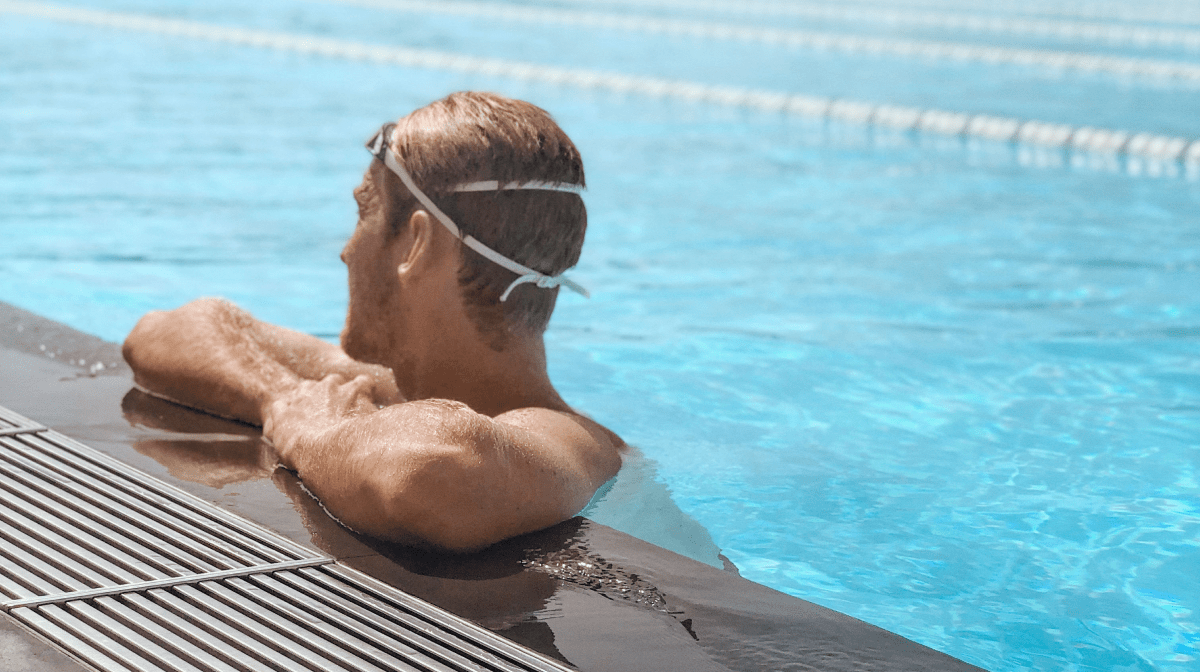
Speed improvement requires systematically pushing physical capabilities. Base aerobic training builds endurance foundation. Interval training develops speed capacity. Strength training supports power generation. Deliberate progression prevents plateaus while minimizing injury. Someone swimming same distance at same pace week after week never improves the body adapts to demand without progress. Someone following structured progression constantly challenges physiology forcing adaptation. Progressive training might begin with establishing baseline typical distance and time for standard workout. From baseline, progressive approaches include gradually increasing distance, decreasing time for fixed distance, or adding intense intervals. Pyramid sets involve progressively longer swims followed by progressively shorter accumulating volume while building speed at various paces. Descending sets involve swimming repetitions progressively faster physiological adaptation supporting increasing speed. Threshold training at near-maximal sustainable pace develops speed-specific capacity. Repeat sets with adequate recovery build maximal speed capacity. Varied training prevents boredom while developing different energy systems. Someone training only distance becomes excellent at slow steady pace but lacks speed. Someone training only fast repetitions lacks endurance. Comprehensive training develops all capacities. Progressive training combined with quality equipment enables maximal performance. Speedo competitive gear supports training progression by providing streamlined designs minimizing drag enabling focus on technique and pacing.
Streamlined Equipment Reducing Drag and Enabling Performance
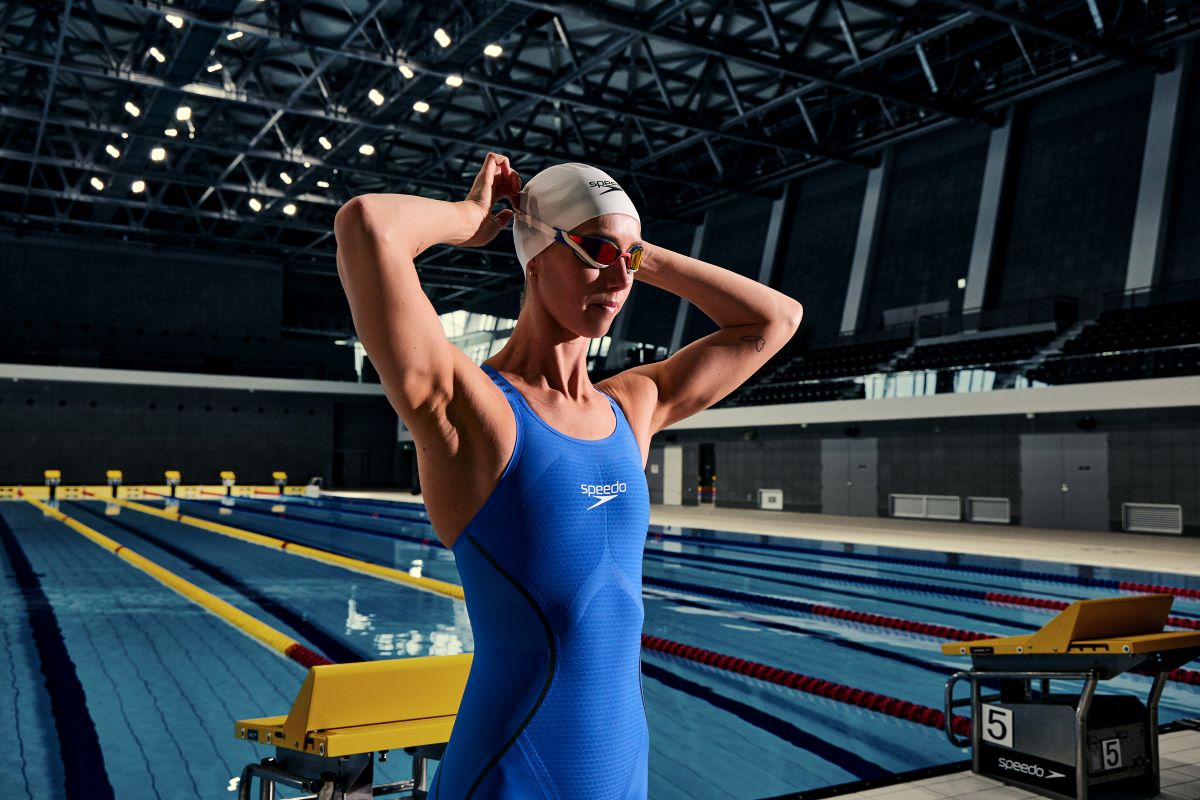
Water resistance represents primary force swimmers overcome. Drag forces increase dramatically with speed—doubling speed roughly quadruples drag. Reducing drag improves speed dramatically. Body position and technique minimize drag through form. Yet equipment also impacts drag substantially. Loose-fitting swimsuits create drag compared to streamlined designs. Textured suits create turbulence compared to smooth surfaces. Poorly fitted goggles disrupt water flow compared to aerodynamic designs. Professional swimmers invest substantially in equipment specifically designed minimizing drag. Speedo’s FastSkin technology represents evolution in drag reduction advanced materials and construction specifically engineered for minimal water resistance. Their competitive suits use high-performance fabrics supporting optimal buoyancy while reducing drag. Streamlined cuts eliminate excess material creating turbulence. Advanced seaming minimizes interruptions. Technology investment in suit engineering translates directly into speed advantage. Someone swimming in generic suit fights additional drag compared to professional equipment. The difference might seem small yet compounds across races fractions of seconds separating competition. Beyond competitive needs, quality equipment simply enables better training. Streamlined gear allows focusing on technique without fighting unnecessary drag. Confidence in equipment supports mental performance. Comfort enables longer, more focused training. These benefits extend beyond competitive swimmers to fitness and recreational swimmers better equipment enables better training and faster improvement.
Strength and Power Development Supporting Muscle Force
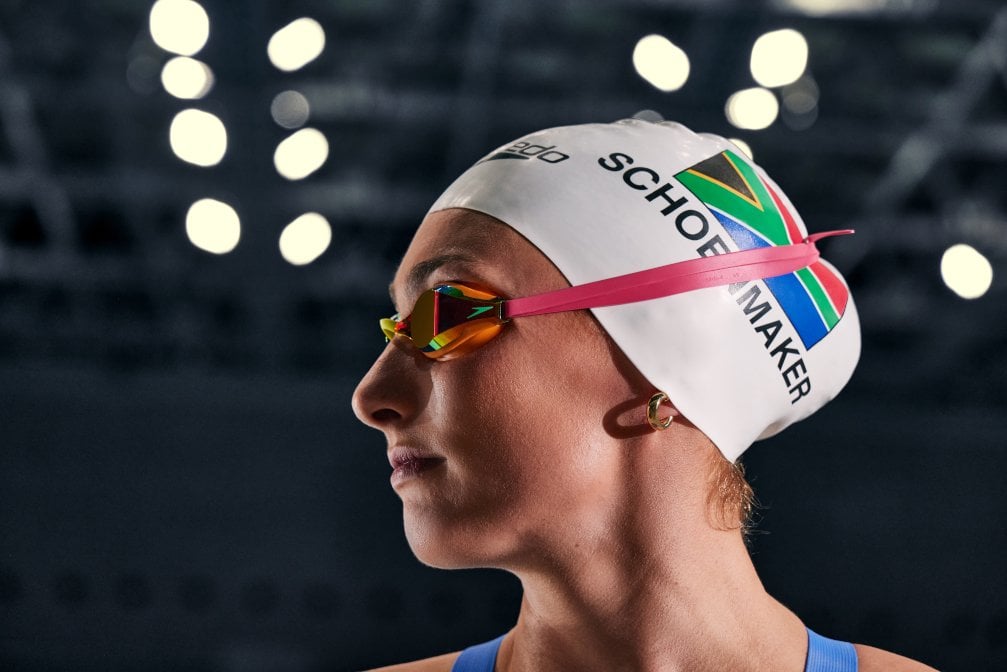
Swimming speed requires muscular power. Weaknesses in shoulders, core, or legs limit propulsive capacity. Targeted strength training addresses limiting factors building power specifically supporting swimming. Shoulder strength and stability support powerful arm strokes. Core strength enables efficient body position and kick. Leg strength generates powerful kicks. Upper back and lat strength provide efficient pulling mechanics. Comprehensive strength training develops all these systems. Dryland training complements pool training. Swimming alone develops water-specific adaptations but often leaves strength gaps. Dryland programs using resistance bands, weights, and bodyweight exercises build complementary strength. Proper periodization integrates dryland and pool training. Someone training strength excessively without technique work develops power that poor technique wastes. Someone developing technique without strength capacity cannot apply power. Balanced development optimizes performance. Progressive resistance ensures continued adaptation. Recovery between sessions enables adaptation too frequent intense training causes overtraining while insufficient training stimulus prevents improvement. Speedo athlete resources include training programs integrating technique, aerobic capacity, and strength development. Comprehensive programs address all performance factors avoiding overemphasis on any single element.
Nutrition and Recovery Enabling Consistent Training
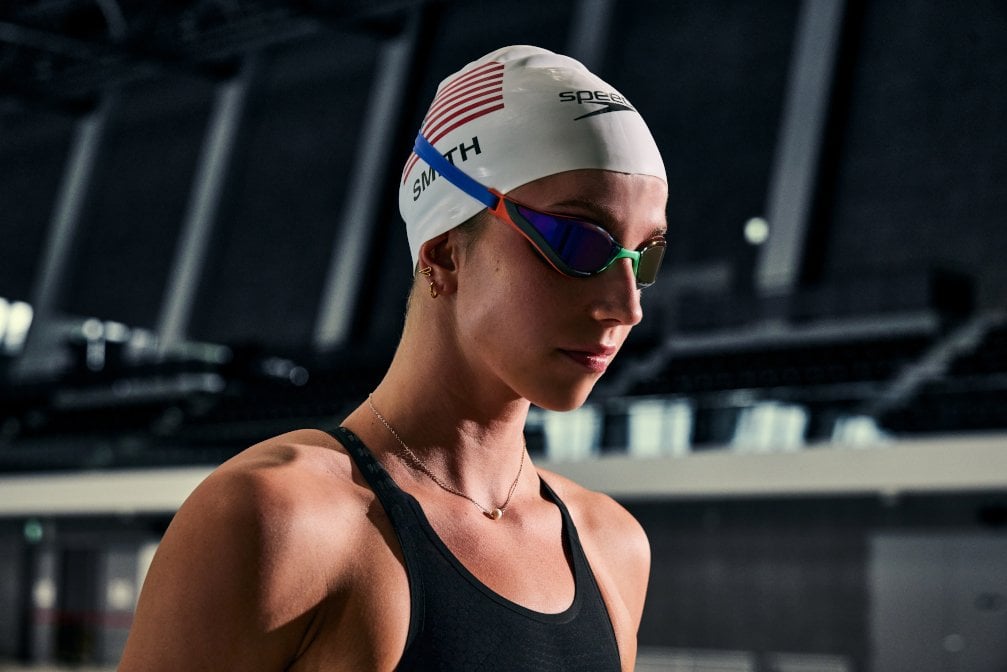
Swimming improvement requires consistent training repeated over months. Inconsistent training prevents adaptation. Poor recovery undermines consistency. Inadequate nutrition limits performance and recovery. Strategic nutrition supports training demands. Carbohydrate fueling supports intense training. Protein supports adaptation and recovery. Hydration maintains performance. Timing of nutrition impacts results pre-workout fuel enables better training, post-workout nutrition accelerates recovery. Sleep enables adaptation—intense training creates stimulus but adaptation happens during sleep. Consistent sleep supports improvement while inadequate sleep impairs progress. Stress management enables recovery high stress prevents adaptation despite proper nutrition and sleep. Holistic approach recognizing training, nutrition, and recovery interdependence optimizes results. Someone training excellently but sleeping poorly won’t improve as quickly. Someone sleeping well but skipping meals lacks fuel for quality training. Integrated approach ensures all factors support improvement. This comprehensive perspective extends beyond training to include equipment quality having best equipment enables confidence and focus supporting consistent performance. Everything interconnects. Speedo community and coaching resources support holistic improvement including training, nutrition, recovery, and mental strategies.
Mental Strategy and Goal Setting Guiding Long-Term Progress
Speed improvement requires months of consistent effort. Without clear goals and mental strategies, consistency becomes difficult. Goal setting provides direction and motivation. Specific goals improving 100m time by two seconds in three months focus effort better than vague desires. Measurable goals enable tracking progress reinforcing motivation. Progressive goal setting from near-term goals supporting long-term vision creates ongoing achievement. Mental strategies support difficult training. Visualization before efforts enhances performance. Positive self-talk counters discouragement. Focusing on controllable factors rather than uncontrollable reduces stress. Recognizing discomfort during intense efforts as productive rather than problematic maintains effort through challenge. Mental toughness develops like physical capacity through repeated exposure to difficulty followed by success. Someone completing demanding interval set despite discomfort builds confidence completing future demands. Mental approach determines whether challenging training builds improvement or creates burnout. Progressive overload with sufficient recovery and mental strategies prevents both stagnation and overtraining.
- Refined technique minimizing drag and maximizing efficiency represents foundation enabling speed improvement regardless of other factors
- Progressive training systematically challenging aerobic capacity, power, and speed-specific adaptations drives continuous improvement
- Quality streamlined equipment reduces drag and enables confidence supporting consistent focus on technique and training
- Complementary strength training develops power supporting swimming-specific muscle groups and preventing strength-limited performance
- Integrated nutrition, recovery, and mental strategy support consistent training enabling adaptation and sustained improvement
Swimming speed improves through systematic development of technique, training, and equipment working together. Poor technique undermines effort. Inconsistent training prevents adaptation. Inadequate equipment fights unnecessary drag. Yet comprehensive approach combining technical excellence, progressive training, quality gear, and recovery support creates rapid substantial improvement. Swimmers willing to invest deliberately in all dimensions achieve speed improvements exceeding natural expectations. Begin with technique assessment seek coaching identifying specific improvements. Implement progressive training plan systematically increasing demands. Invest in quality equipment supporting performance. Develop complementary strength. Prioritize recovery enabling adaptation. Set goals maintaining focus and motivation. Speedo provides comprehensive resources and products supporting swimming speed improvement. Discover technical resources improving stroke. Select performance gear reducing drag. Access training programs integrating all improvement dimensions. Join community of swimmers pursuing excellence. With systematic effort across all factors, dramatic speed improvement becomes achievable. This is technical excellence. This is training discipline. This is performance optimization. This is Speedo.