

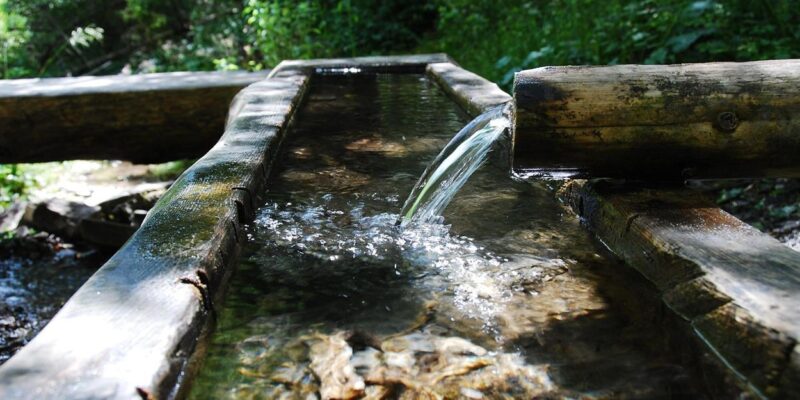
Water is one of the planet’s most vital resources, influencing everything from agriculture and energy production to climate resilience and urban infrastructure. At the heart of understanding and managing this precious element lies hydrology, the science dedicated to studying water’s movement, distribution, and behaviour. Across industries and governments, hydrology is transforming how societies plan for the future, from flood prevention and irrigation systems to sustainable water resource design.
TL;DR
-
Hydrological Data Analysis: Uses advanced modeling and simulation tools to predict rainfall, runoff, and groundwater flow, helping engineers and city planners make smarter water management decisions.
-
Water Resource Management Solutions: Designs integrated systems that optimise water storage, distribution, and quality for agricultural, industrial, and urban sectors.
-
Flood Risk Assessment and Control: Provides early-warning models and drainage system designs that reduce damage, protect communities, and support insurance and infrastructure planning.
-
Groundwater Monitoring Systems: Tracks subsurface water levels and recharge patterns to ensure sustainable extraction, prevent depletion, and support environmental protection.
-
Environmental Impact Studies: Evaluates how development projects affect hydrological cycles, offering insights that promote eco-friendly, regulatory-compliant solutions.
-
Hydrological Education and Consulting: Offers professional training, consultancy, and real-world expertise to bridge the gap between science and sustainable design.
Understanding Hydrology’s Role in Global Sustainability
Hydrology is more than a scientific discipline; it’s a lifeline for modern civilisation. As populations grow and climate patterns shift, water security has become one of the most pressing global challenges. Hydrologists provide the data, models, and insights that shape infrastructure and policy — ensuring clean, reliable water for people and ecosystems alike.
In the UK and across the world, hydrological research supports everything from floodplain management and reservoir optimisation to stormwater design. By analysing rainfall, soil permeability, and groundwater behaviour, hydrologists help civil engineers build systems that work in harmony with nature rather than against it.
The Core of Modern Hydrology: Data, Models, and Prediction
Modern hydrology blends traditional fieldwork with cutting-edge digital tools. Using satellite imagery, remote sensing, and geographic information systems (GIS), hydrologists can now predict how water moves through landscapes with exceptional precision.
For instance, rainfall-runoff models help anticipate flooding in coastal and urban regions, while hydrogeological models reveal how groundwater interacts with soil and rock layers. This analytical approach not only improves urban drainage networks but also informs climate adaptation strategies, ensuring cities remain resilient against extreme weather events.
At the same time, predictive hydrology supports agriculture by identifying optimal irrigation zones and preventing overuse of groundwater. This data-driven insight is crucial for balancing economic development with ecological responsibility.
Applications Across Industries and Infrastructure
Hydrology impacts nearly every aspect of society. Engineers, environmental consultants, and policymakers rely on hydrological services to design sustainable systems and make evidence-based decisions. Key applications include:
-
Civil Engineering Projects – Storm drains, bridges, dams, and road systems require hydrological modelling to ensure long-term safety and function.
-
Energy and Power Generation – Hydrology supports hydropower efficiency, dam design, and water cooling systems for thermal plants.
-
Urban Planning – In cities, it guides sustainable drainage systems (SuDS), flood zoning, and infrastructure resilience planning.
-
Agriculture and Forestry – Hydrology determines irrigation needs, soil moisture levels, and watershed management for efficient land use.
-
Environmental Protection – Hydrological assessments help conserve wetlands, rivers, and aquifers while supporting biodiversity.
By connecting data science and natural processes, hydrology forms the backbone of environmental stewardship and responsible development.
Hydrology in Action: Preventing Floods and Protecting Lives
In the UK, flooding poses one of the greatest natural threats to communities and infrastructure. Hydrological studies provide the foundation for risk management and mitigation, helping local authorities prepare for extreme rainfall and coastal surges.
Hydrologists use long-term rainfall and river flow records to identify vulnerable zones, design protective embankments, and improve drainage systems. Advanced forecasting tools allow for timely evacuations and damage prevention, demonstrating how science directly safeguards lives and livelihoods.
These predictive and preventative measures are now integrated into regional planning policies, helping towns and cities future-proof against water-related disasters.
Groundwater: The Hidden Frontier of Hydrology
While surface water often steals the spotlight, groundwater represents one of Earth’s largest freshwater reserves. Hydrology reveals how this invisible resource replenishes and moves through aquifers — vital for agriculture, industry, and drinking water.
Monitoring systems track groundwater extraction and contamination risks, ensuring that underground reserves remain viable for future generations. As droughts become more frequent globally, sustainable groundwater management is emerging as a cornerstone of hydrological science.
Hydrology’s Future: Technology, Innovation, and Global Collaboration
The future of hydrology lies in innovation and collaboration. Artificial intelligence, remote sensing, and big data analytics are revolutionising how hydrologists collect and interpret information. With real-time monitoring systems, global water management is shifting from reactive to proactive, allowing authorities to make decisions before crises occur.
Moreover, cross-border cooperation is crucial. Rivers, aquifers, and weather systems don’t recognise political boundaries, and hydrology plays a vital role in fostering international partnerships that ensure equitable water sharing and environmental protection.
Final Reflection: A Science That Shapes Tomorrow
Hydrology is no longer a niche academic field — it’s a cornerstone of global sustainability. From the Thames Basin to the Amazon, it informs how humanity manages its most essential resource. Through a combination of scientific precision, technological advancement, and environmental awareness, hydrology continues to shape a safer, more water-secure world.