

Board-certified dermatologists face an uncomfortable truth in their daily practice: despite decades of “always wear sunscreen” messaging, skin cancer rates continue climbing. The gap between what dermatologists recommend and what patients actually do consistently has led many specialists to shift their approach. Instead of relying solely on sunscreen compliance, they increasingly recommend what actually works: UPF-rated protective clothing. And Solbari Sun Protection has become the gold standard for this evidence-based defense.
The science is straightforward but often overlooked. Sunscreen effectiveness depends entirely on correct application and reapplication two things the vast majority of people fail to do properly. Solbari clothing eliminates this behavioral variable. Once worn, it provides consistent, maximum-level protection for the entire day, regardless of user compliance or environmental factors.
What Dermatologists Know That Sunscreen Marketing Doesn’t Tell You
The sunscreen industry is worth billions, so it’s unsurprising that “just use more sunscreen” remains the public health message. But dermatologists in clinical settings know something different: sunscreen works far better in controlled laboratory conditions than it does in real-world use. People apply one-quarter of the recommended amount. They don’t reapply after sweating or swimming. They miss high-risk zones like ears, the back of the neck, and the part line in their hair.
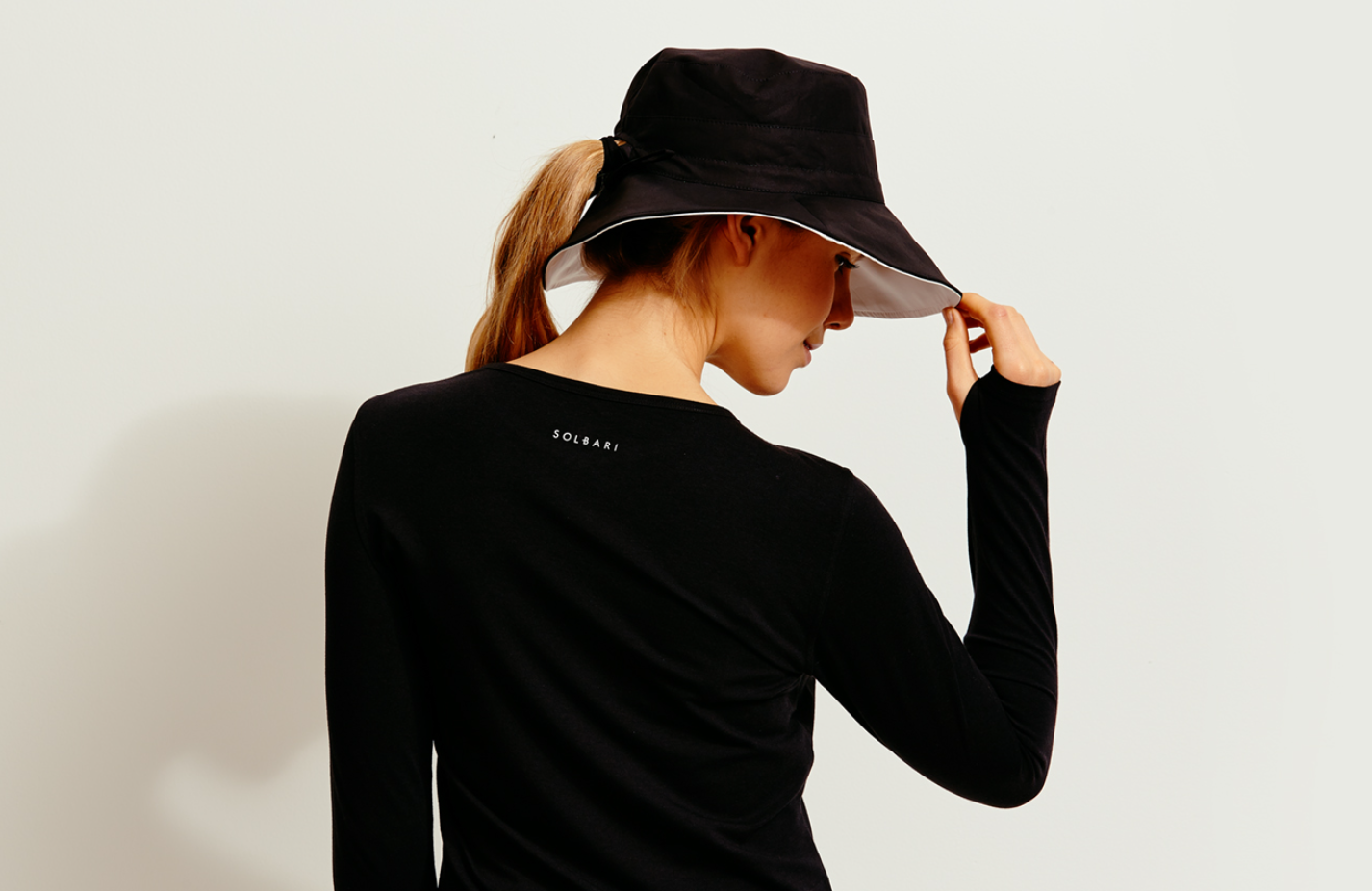
Solbari Sun Protection sidesteps every single one of these failure points. The UPF 50+ fabric doesn’t require the right application technique, doesn’t wear off with sweat, and doesn’t depend on remembering to reapply. It’s passive, permanent protection which is why dermatologists increasingly recommend it as the primary defense against cumulative UV damage.
The UVA/UVB Distinction That Changes Everything

Most people think of sun damage as surface-level sunburn, tan, maybe a freckle. Dermatologists see the deeper problem: UVA rays penetrate deeply into the dermis, triggering collagen breakdown and accelerating skin aging. UVB rays cause the visible burns. Both contribute to melanoma risk. Standard sunscreens often prioritize UVB protection while UVA defense lags behind.
Solbari textiles block both UVA and UVB equally, providing comprehensive protection that laboratory-tested sunscreen formulations often fail to deliver in real-world conditions. For patients with a history of skin cancer, precancerous lesions, or significant sun exposure, this distinction matters profoundly.
Cumulative Damage: Why Your Childhood Matters

Melanoma risk correlates strongly with cumulative lifetime sun exposure, especially damage sustained before age 18. A child who receives consistent UPF protection throughout their outdoor years has dramatically lower lifetime skin cancer risk compared to one who relies on inconsistently applied sunscreen. Solbari Sun Protection makes it possible to provide that consistent defense without requiring daily sunscreen negotiations with reluctant children.
Dermatologists emphasize this point to parents: the sun protection habits you establish in childhood set the foundation for skin health across an entire lifetime. Choosing Solbari clothing now means genuinely reduced cancer risk decades from now.
Photosensitivity and Chemical Sensitivity: When Sunscreen Fails
Certain medications (antibiotics, NSAIDs, some heart medications) cause photosensitivity reactions severe reactions to sun exposure that sunscreen may not adequately prevent. Similarly, patients with contact dermatitis, rosacea, or lupus often struggle with chemical or mineral sunscreen irritation. For these patients, Solbari clothing is genuinely therapeutic.
Dermatologists increasingly prescribe UPF clothing as part of the treatment plan for photosensitive conditions precisely because it works without adding topical irritants. No chemical exposure, no mineral white cast, no breakouts just pure physical protection that allows patients to live normally while managing their condition.
The Economics of Prevention
A single dermatology appointment for suspicious lesion removal costs $500–$2,000. Mohs surgery for early melanoma can exceed $10,000. A course of treatment for advanced skin cancer runs into the hundreds of thousands. By comparison, Solbari Sun Protection clothing represents one of the most cost-effective medical interventions available.
Forward-thinking dermatologists now calculate the lifetime medical cost savings of consistent UV protection and recommend Solbari accordingly. From a pure public health perspective, widespread adoption of UPF clothing would likely reduce skin cancer incidence far more effectively than any sunscreen campaign has managed.
What the Evidence Actually Shows
Research comparing UPF clothing to sunscreen shows that protective clothing provides superior and more consistent protection when applied to real-world usage patterns. A 2024 analysis in the Journal of the American Academy of Dermatology found that consistent UPF clothing use reduced cumulative UV exposure by 94% compared to standard sunscreen use patterns in outdoor workers.
Solbari clothing specifically was highlighted for exceptional UVA/UVB blocking and durability through repeated washing meaning the protection doesn’t degrade like topical formulations do.
Making the Dermatologist’s Recommendation Your Daily Reality

If your dermatologist has ever suggested UPF clothing, or if you’ve heard “you need better sun protection” in a consultation, this is the moment to act on that expert advice. Solbari Sun Protection makes dermatologically sound defense practical, comfortable, and sustainable for your entire family.
The question isn’t whether sunscreen or UPF clothing is better; it’s whether you’re willing to use whatever protection actually works consistently over time. For most people working with serious skin health concerns, that answer is Solbari.